Businesses continue to invest in text messaging because of its speed, visibility, and high engagement rates. However, getting strong results requires more than simply sending promotions to a list of contacts. Improving SMS Marketing ROI means building a strategy focused on automation, personalization, segmentation, and customer behavior. When executed correctly, SMS campaigns can generate significant revenue while keeping costs relatively low compared to other marketing channels.
One of the biggest factors influencing success is choosing the right SMS marketing software. A modern platform allows businesses to automate campaigns, personalize messages, trigger communications based on customer actions, and track results in real time. Automation is especially important because it helps companies scale their messaging efforts without overwhelming internal teams or increasing labor costs.
SMS Marketing ROI Starts with Automation
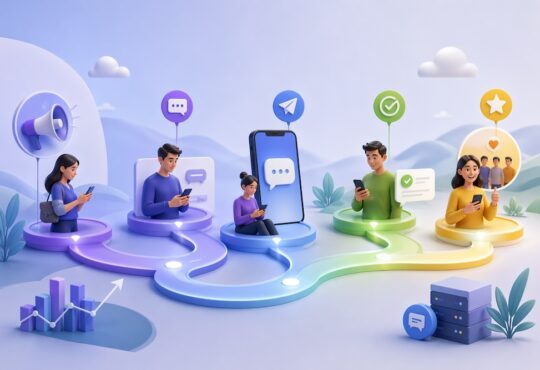
The foundation of strong SMS Marketing ROI is automation. Businesses that rely entirely on manual text campaigns often struggle with inconsistent engagement, delayed responses, and wasted marketing spend. Automated SMS workflows solve these problems by delivering messages at the right moment without requiring constant supervision.
For example, businesses can automatically send:
- Welcome messages after opt-in
- Appointment reminders
- Abandoned cart notifications
- Payment reminders
- Customer satisfaction surveys
- Re-engagement campaigns
- Birthday or loyalty rewards
Automation ensures customers receive timely and relevant communication throughout the entire customer journey. This improves engagement while reducing operational inefficiencies.
A customer who abandons an online shopping cart may ignore an email reminder sent hours later, but a well-timed text message sent within minutes can dramatically improve conversions. These automated triggers help businesses recover revenue that would otherwise be lost.
Segment Your Audience for Better Results
Mass texting every subscriber with the same message rarely produces the best results. Segmentation allows businesses to create highly targeted campaigns that improve engagement and reduce opt-outs.
Audience segmentation can include factors such as:
- Purchase history
- Geographic location
- Customer interests
- Appointment history
- Loyalty status
- Previous SMS engagement
- Industry or business type
A restaurant chain, for instance, may send lunch promotions only to customers near specific locations. A healthcare provider may send appointment reminders only to patients scheduled within the next 24 hours. These personalized experiences create more relevant interactions, which directly improves conversion rates.
Automation makes segmentation even more powerful. Instead of manually organizing contact lists, businesses can automatically place subscribers into segments based on customer actions and behaviors.
Personalization Increases Engagement
Customers respond better when messages feel relevant and individualized. Personalized SMS campaigns consistently outperform generic broadcasts because they create a stronger connection between the business and the customer.
Simple personalization tactics include:
- Using the customer’s first name
- Referencing previous purchases
- Sending location-based offers
- Recommending relevant products
- Following up after recent interactions
For example:
“Hi Sarah, your favorite skincare products are back in stock. Order today and receive 15% off.”
This type of message feels more natural and useful than a generic promotional blast sent to thousands of recipients.
Automation platforms can dynamically insert customer information into messages at scale, allowing businesses to personalize communications without manually editing each campaign.
Timing Can Dramatically Affect ROI
Sending messages at the wrong time can hurt engagement and increase unsubscribe rates. Timing is critical when optimizing SMS campaigns.
Businesses should analyze customer behavior patterns to determine when subscribers are most likely to engage. Retail promotions may perform better during lunch hours or evenings, while appointment reminders are often most effective 24 hours before the scheduled visit.
Automation tools can optimize timing by scheduling campaigns according to customer activity, time zones, and historical engagement data.
Triggered automation also improves timing naturally because messages are sent immediately after a specific customer action occurs. This creates a sense of urgency and relevance that static campaigns often fail to achieve.
Keep Messages Short and Action-Oriented
SMS is designed for quick communication. Long or confusing messages reduce effectiveness and can lower engagement rates.
Strong SMS campaigns typically include:
- A clear purpose
- Concise wording
- One primary call-to-action
- A sense of urgency when appropriate
For example:
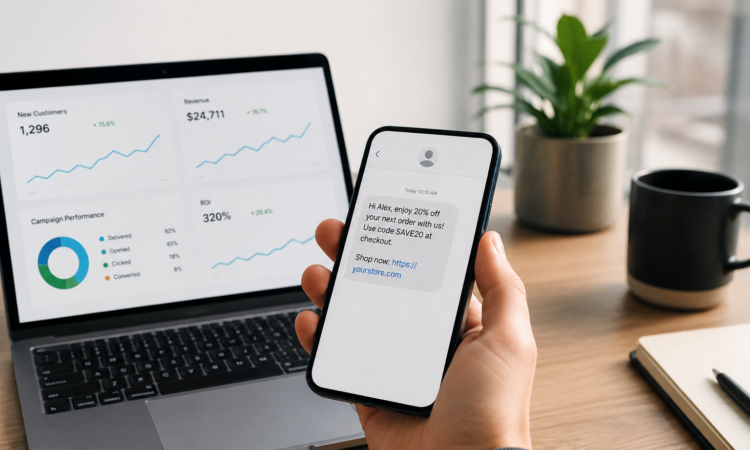
“Flash Sale: Get 20% off all orders today only. Shop now: [link]”
Simple, direct messaging performs better because recipients can immediately understand the value and take action quickly.
Automation workflows can also support multi-step campaigns, where short messages are spaced strategically over time instead of overwhelming subscribers with too much information at once.
Use Data and Analytics to Improve Campaigns
Tracking performance is essential for improving SMS marketing outcomes. Businesses should continuously monitor key metrics such as:
- Open rates
- Click-through rates
- Conversion rates
- Unsubscribe rates
- Revenue generated
- Customer response times
Analyzing this data helps identify which campaigns produce the highest returns and which strategies need improvement.
Automation platforms often include reporting dashboards that provide real-time insights into campaign performance. Businesses can use this information to optimize future campaigns, test different messaging styles, and improve segmentation strategies.
A/B testing is another effective method for improving performance. Businesses can test different:
- Message wording
- Send times
- Calls-to-action
- Promotional offers
- Audience segments
Even small adjustments can significantly impact long-term ROI.
Compliance Protects Long-Term Performance
Maintaining compliance with SMS regulations is critical for protecting both customer trust and campaign performance. Sending unwanted text messages can damage brand reputation and lead to legal penalties.
Businesses should always:
- Obtain clear customer consent
- Provide opt-out instructions
- Respect subscriber preferences
- Maintain accurate contact records
- Avoid excessive messaging frequency
Automation systems can help manage compliance by automatically processing opt-outs, tracking consent records, and enforcing messaging rules.
Customers are more likely to remain subscribed when they feel they have control over the communication they receive.
Integrate SMS with Other Marketing Channels
SMS marketing works best when integrated into a broader omnichannel strategy. Combining SMS with email, CRM systems, social media, and customer support platforms creates a more cohesive customer experience.
For example:
- Email can provide detailed information
- SMS can deliver urgent reminders
- CRM integrations can trigger personalized workflows
- Customer service systems can automate support notifications
Automation platforms make these integrations easier by centralizing customer data and communication triggers.
This unified approach improves customer engagement while helping businesses maximize the value of every marketing interaction.
Focus on Customer Retention
Acquiring new customers is expensive. Retaining existing customers often produces a much higher return on investment.
SMS automation is particularly effective for retention strategies because it keeps businesses connected to customers after the initial purchase.
Retention-focused campaigns may include:
- Loyalty rewards
- Exclusive offers
- Renewal reminders
- Product replenishment alerts
- VIP promotions
- Feedback requests
Consistent communication helps strengthen customer relationships and encourages repeat business over time.
Turning SMS Campaigns Into Consistent Revenue
Improving SMS marketing performance requires a strategic combination of automation, personalization, segmentation, and data analysis. Businesses that rely on intelligent workflows instead of manual campaigns can deliver more relevant messages, reduce operational costs, and increase customer engagement.
The most successful companies use automation to communicate with customers at the right moment while continuously optimizing campaigns based on performance data. This approach not only increases conversions but also strengthens long-term customer relationships.
Ready to improve your SMS Marketing ROI with advanced automation tools? Discover how Trumpia can help your business streamline campaigns, personalize customer engagement, and increase conversions.