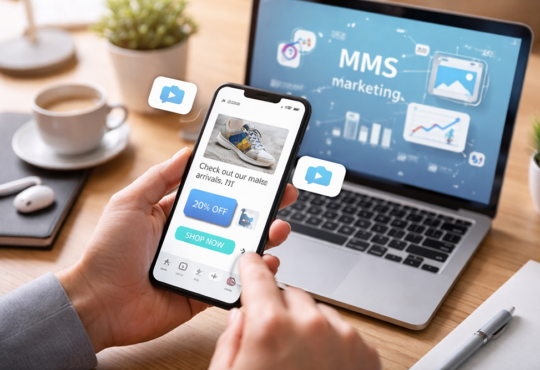

Social media has gained significant popularity in recent years, but it isn’t the only way to truly reach your customers. SMS marketing still reaches people through a part of their phone they already use daily, while mass texting lets you send the same important update to a large group without hoping everyone happens to see a post. There isn’t much mystery to it. A text comes in, the customer reads it, and if it matters to them, they can respond.
High Open and Response Rates
Texts tend to get attention quickly. People don’t usually set aside a special time to check them. They glance at messages throughout the day, which gives you a chance to reach someone without asking for much up front. The response can be just as simple. Sometimes a customer needs the information. However, being seen isn’t enough by itself. If every text is another sale or the message has nothing to do with the person receiving it, they’ll start ignoring those too.
No Algorithms or Internet Needed
Social media is too uncertain, relying on a certain amount of luck. You can post something useful at noon and have a follower never see it. Their feed is already full, the platform is choosing what to show them, and tomorrow there will be another pile of content sitting on top of yours. Texts avoid that middle step. Once a customer has opted in and the carrier delivers the message, there isn’t a feed deciding whether it should show up. SMS also works over a cellular network rather than requiring the same kind of internet connection used by social apps. That makes texting available on more than just the newest smartphones. While social media platforms change constantly, the phone itself remains widely used.
Direct Connection and Personalization
Mass texting can make it sound like every customer gets the same message. That’s certainly one way to do it. Lists can be separated by location, customer interest, previous purchases, appointments, or other information people have already shared with you. Personalization doesn’t need to be elaborate either. Sometimes referring to a person by name or mentioning the thing the person actually signed up to hear about is enough. The message feels relevant, which is the point.
Global Reach
Social media habits are not universal. One platform may be huge in one country and barely used somewhere else. Age makes a difference too. So does the type of audience you are trying to reach. SMS has fewer of those complications at the user level. Customers don’t need to join a particular network before receiving a text. Be sure to check international messaging rules as they vary by place.
Omnichannel Integration
Texting doesn’t need to win an imaginary competition against email or social media. They’re useful for different things. One customer might first hear about an event on Facebook. Later, they register online. The full confirmation comes through email, while a short reminder arrives by text the day before. Your customer got the reminder when they needed it, with little analysis.
Low Intrusiveness
Calling someone requires their immediate attention. A text doesn’t. The message can sit undisturbed for a few minutes or a few hours until they are ready to look at it. They can answer if they want to, and there’s no awkward live conversation attached.
Why Mass Texting Still Works in a Social Media World
You don’t have to choose between texting and social media as though one has to replace the other. Social platforms are good at helping people discover things. Text messages are good at reaching people who already said they want to hear from you.