
Mobile messaging continues to evolve at a rapid pace, and MMS Marketing is positioned to play a critical role in how brands communicate with customers in 2026. While SMS remains a foundational channel, businesses are increasingly turning to MMS to deliver richer, more engaging experiences that stand out in crowded inboxes. Images, GIFs, videos, and branded visuals are no longer “nice to have”—they are becoming the standard for brands that want attention, recall, and action.
As consumer expectations rise and attention spans shrink, MMS allows businesses to bridge the gap between text messaging and visual storytelling. In 2026, MMS is no longer just an add-on to SMS campaigns; it is a strategic channel that supports branding, conversions, and long-term customer engagement across industries. In parallel, the technology powering MMS has matured significantly. Modern MMS messaging software now makes it easier than ever to design, personalize, automate, and track multimedia campaigns at scale. Platforms like Trum·pia enable businesses to deliver high-quality MMS experiences without technical complexity, helping marketers turn visual content into measurable results.
MMS Marketing: How It’s Evolving in 2026
In 2026, MMS Marketing is defined by sophistication, compliance, and personalization. Early MMS campaigns were often limited by device compatibility, file size constraints, and inconsistent delivery. Today, those barriers have largely disappeared. Carriers support richer media formats, smartphones are more powerful, and platforms like Trum·pia handle optimization behind the scenes.
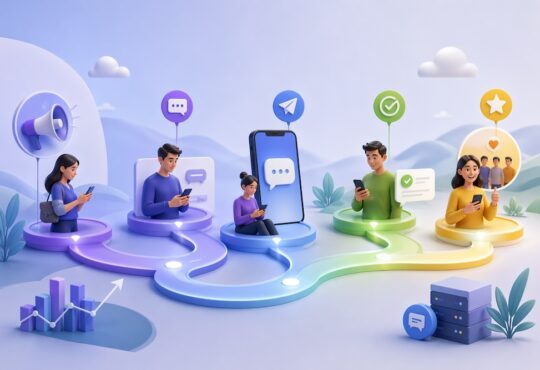
What’s changed most is how businesses use MMS strategically. Rather than sending occasional image messages, brands now integrate MMS into full omnichannel workflows—pairing it with SMS, email, voice, and mobile push notifications. MMS has become a core engagement layer rather than a novelty.
Another major shift is the emphasis on branding. MMS enables consistent visual identity directly inside the messaging inbox. Logos, colors, product imagery, and promotional graphics help recipients instantly recognize the sender. This visual reinforcement increases trust, recall, and conversion rates—especially compared to plain text messages.
Why MMS Outperforms SMS Alone
While SMS remains effective for short alerts and transactional updates, MMS consistently outperforms SMS when the goal is engagement. Visual content captures attention faster, communicates more information, and drives higher interaction.
In 2026, marketers rely on MMS to promote products with images or short videos, highlight limited-time offers with branded graphics, share event invitations and announcements, deliver how-to visuals or product previews, and strengthen brand identity through consistent design. Studies continue to show higher click-through rates and engagement metrics for MMS compared to SMS alone. When recipients can see what you’re offering, they are far more likely to act on it.
Personalization at Scale with MMS
One of the biggest misconceptions about MMS is that it’s difficult to personalize. In reality, modern platforms allow for deep personalization at scale. In 2026, MMS personalization goes far beyond inserting a first name.
Businesses can dynamically tailor images based on customer segments, offers based on purchase history, visuals by location or language, and message timing based on engagement patterns. For example, a retail brand can send different product images to different customer groups without creating dozens of separate campaigns. This level of personalization dramatically improves relevance and reduces opt-outs.
Trum·pia’s omnichannel infrastructure makes it possible to automate these decisions, ensuring that the right visual message reaches the right audience at the right time.
Compliance and Trust Still Matter
As MMS adoption grows, compliance remains non-negotiable. In 2026, regulations around consent, opt-ins, and messaging transparency are stricter and more closely enforced. MMS campaigns are subject to the same carrier rules and consumer protection standards as SMS.
Successful brands treat compliance as part of the customer experience. Clear opt-ins, easy opt-outs, and transparent messaging build trust and protect deliverability. Platforms like Trum·pia help businesses stay compliant by managing consent records, opt-out logic, and carrier requirements automatically.
MMS as Part of an Omnichannel Strategy
In 2026, MMS does not operate in isolation. It works best when integrated into a broader omnichannel strategy. Businesses use MMS to complement other channels rather than replace them—sending MMS promotions followed by SMS reminders, using MMS for initial engagement and SMS for follow-ups, or reinforcing email and voice campaigns with visual messages.
Trum·pia’s platform is designed specifically for this kind of orchestration, allowing businesses to manage all channels from a single dashboard while maintaining message consistency and timing.
Measuring MMS Performance
Modern MMS platforms provide full visibility into performance, including delivery rates, clicks, conversions, and engagement trends. With the right tools, businesses can compare MMS versus SMS performance, test different visuals, optimize send times, and attribute conversions directly to messaging campaigns. This data-driven approach ensures MMS campaigns are not just creative, but profitable.
Get Started with MMS Marketing Today
If you’re ready to scale your MMS Marketing strategy in 2026, Trum·pia makes it simple with powerful automation, compliance controls, and real-time analytics.
Call or text 1-888-707-3030 to speak with a messaging expert today!